Owl 3D Monitor Alternatives and Workflow Fit
An objective comparison of the Owl 3D monitor's glasses-free approach, fit for professional 3D review workflows, and the alternative autostereoscopic displays buyers typically evaluate alongside it.
Owl 3D Monitor Alternatives and Workflow Fit
Buyers searching for an Owl 3D monitor are usually trying to decide whether this particular glasses-free 3D display fits a professional review workflow, and which competing monitors they should compare it against before ordering. This article answers that intent objectively, without leaning into either promotion or criticism, and frames the Owl 3D monitor alongside other glasses-free and stereoscopic monitors already covered in our comparisons hub.
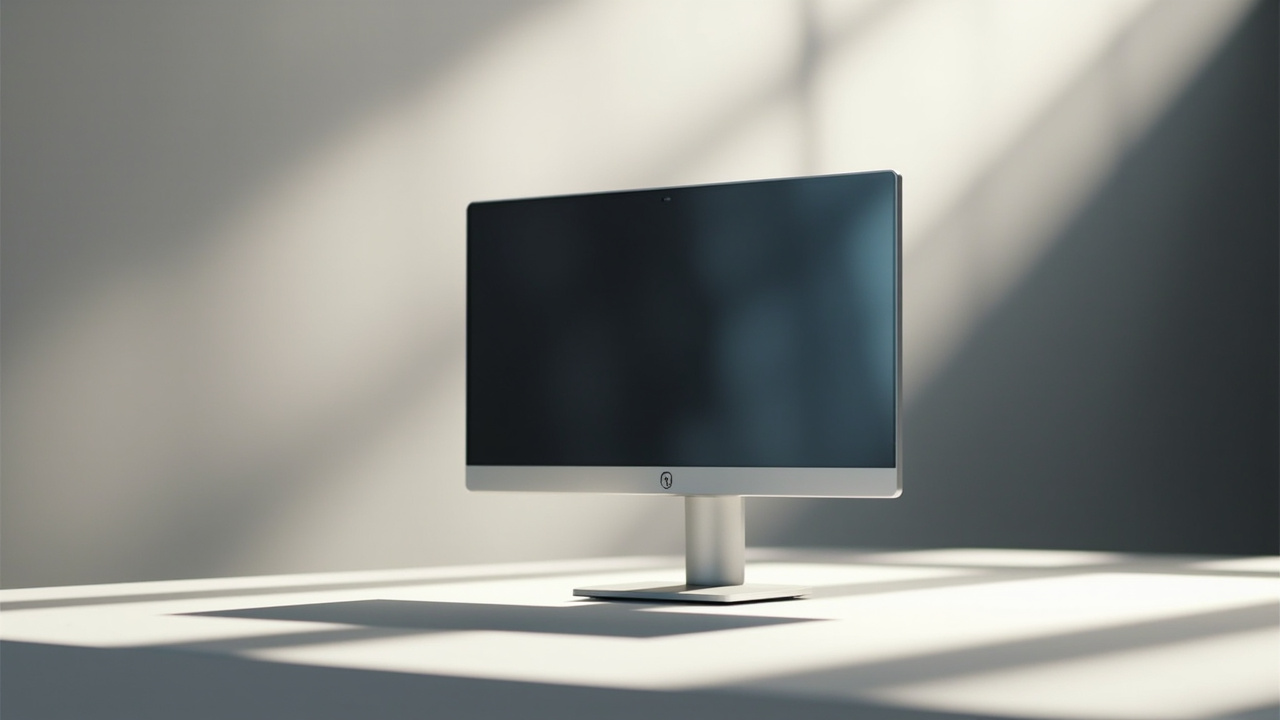
A glasses-free 3D monitor in a typical desk-side review setup.
Search intent and what “Owl 3D monitor” usually refers to
The phrase Owl 3D monitor is most often used as a shorthand for a glasses-free 3D display marketed to professional review teams rather than to general consumers. In the broader monitor market, several manufacturers offer autostereoscopic or eye-tracked 3D monitors under different brand names; buyers frequently use nicknames, project codenames, or third-party review terms when searching, which is why a query for a specific monitor can return a mix of official product pages, reseller listings, and editorial reviews.
Within that landscape, the practical question behind the search is consistent: Will this monitor fit my content, my room, and my team’s review style? Three sub-intents follow.
- Fit intent. Buyers want to know whether their content (CAD, DICOM, stereo video, side-by-side material, Unity or WebGL scenes) will actually display in 3D on the unit they are evaluating.
- Workflow intent. Buyers want to know whether the monitor behaves like a normal monitor, with the option to switch into 3D, or whether it is a dedicated 3D-only workstation.
- Alternative intent. Buyers want a short list of competing displays so they can compare fit before they commit to a single vendor.
This article addresses all three intents, using only information that can be grounded in the broader glasses-free 3D monitor category and in the linked comparison pages.
What the Owl 3D monitor is, in general terms
The Owl 3D monitor belongs to the autostereoscopic family of glasses-free 3D displays. Autostereoscopic displays use an optical layer in front of the panel — typically a lenticular lens array or a parallax barrier — combined with eye tracking in higher-end models, to deliver separate left- and right-eye views without requiring the viewer to wear shutter or polarized glasses. The category is explained in more depth in our Autostereoscopic Display technical explainer and in our 3D Without Glasses technical explainer.
Three characteristics are commonly associated with the Owl-class displays in editorial coverage.
- Glasses-free viewing. The viewer does not wear glasses or a headset, which keeps the workflow closer to a normal monitor review session.
- Eye-tracked 3D. The display adjusts the stereo view based on the viewer’s eye position, so depth perception remains stable as the user moves their head within a tracked range.
- Monitor-style footprint. The unit is intended to sit on a desk and behave like a conventional display, rather than being a VR headset or a large-format light-field installation.
Specific panel size, resolution, supported stereo input formats, and current pricing for any given Owl 3D monitor SKU vary by region and reseller and were not available in our reference material at the time of writing. Where this article refers to a specific figure, it is doing so as a category-typical range rather than as a verified spec for a particular Owl SKU.
How the Owl 3D monitor is reported to fit professional workflows
Professional review workflows that benefit from glasses-free 3D generally share a few traits: source content can output stereo or side-by-side material, reviewers prefer a monitor-like posture over a headset, and the display is shared between a small number of viewers who take turns at the sweet spot. The Owl 3D monitor is typically positioned against exactly that pattern.
The fit is generally strongest when:
- the source application can already produce a stereo or side-by-side output;
- the review session involves one viewer at a time within the eye-tracking range;
- the content is depth-relevant — CAD assemblies, volumetric medical imaging, industrial CT, stereo microscopy, or 3D-rendered product visualizations;
- the team prefers to keep 2D and 3D use on the same workstation rather than maintain a separate headset stack.
The fit is generally weaker when:
- multiple reviewers need to see the same 3D image simultaneously from different angles — most eye-tracked autostereoscopic displays are tuned for one viewer at a time;
- the source material is flat 2D video or photography with no depth or stereo encode;
- the room requires a very large shared-viewing 3D surface, in which case a multi-viewer passive or projector-based rig may be a better match.
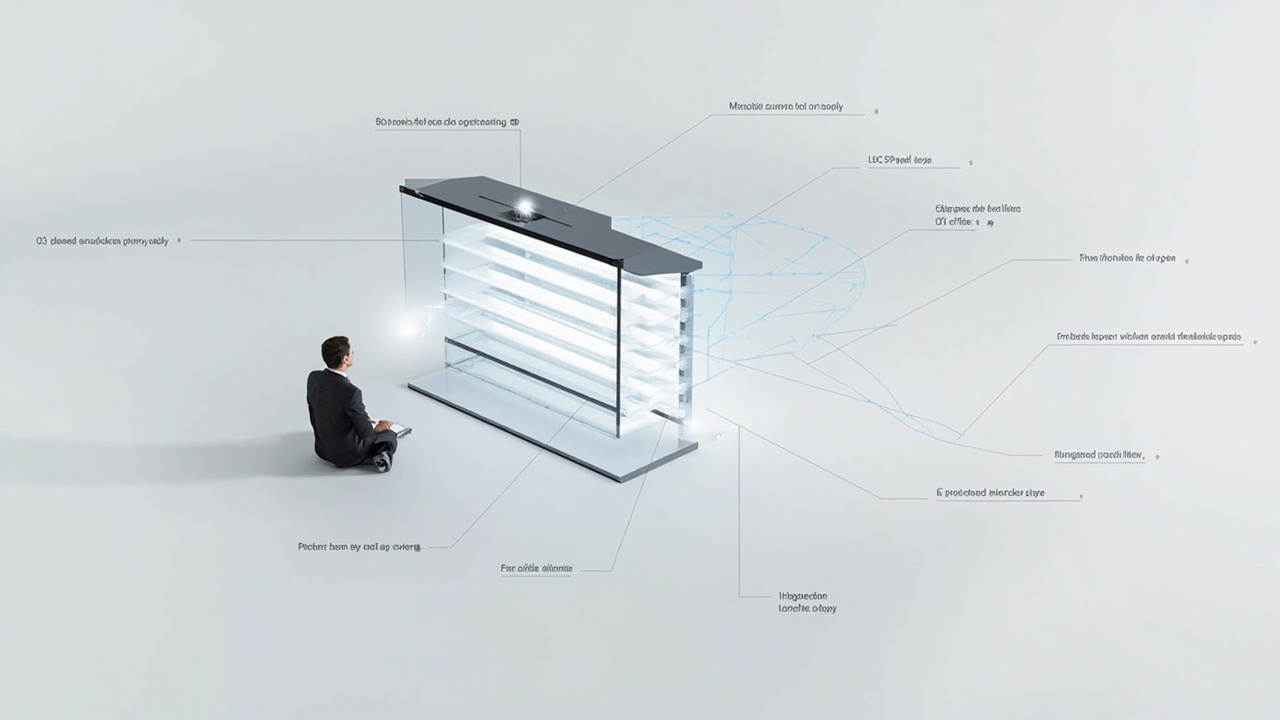
How an autostereoscopic panel delivers separate left- and right-eye views to a tracked viewer.
For a deeper treatment of how glasses-free collaborative review tradeoffs play out, see our 3D Without Glasses technical explainer. For the recurring limitations buyers encounter in this category, see What Are The Disadvantages Of 3D Screens.
Selection criteria buyers apply when comparing alternatives
Five criteria tend to dominate buyer-side comparisons against the Owl 3D monitor. They are useful regardless of which specific competing display you end up shortlisting.
- Viewer model. Is the display tuned for one tracked viewer, several tracked viewers in sequence, or simultaneous multi-viewer 3D? Owl-class units typically target a single tracked viewer, which is a deliberate trade-off in exchange for a sharper stereo image.
- 2D / 3D switching. Can the monitor function as a normal high-quality 2D display when the team is not doing 3D review, or is it a dedicated 3D-only panel? Buyers who split time between spreadsheets, email, and 3D sessions often prefer a display with a strong 2D fallback.
- Content pipeline. Does your current toolchain already output stereo, side-by-side, or another supported 3D format? If not, a conversion or simulation step may be required, which adds friction that does not show up on a spec sheet.
- Workspace fit. Panel size, viewing distance, eye-tracking range, and desk depth all matter. A 27-inch or 32-inch monitor has a different ideal seating geometry than a 15.6-inch portable unit.
- Total cost of ownership. Initial unit price is only one line. Training content teams, preparing stereo assets, and adding a backup 2D monitor all affect the real cost of the decision.
A general buyer-side framework is available in our Spatial 3D Display Buying Guide, and a stereoscopic-versus-autostereoscopic primer sits in our How to Choose Stereoscopic 3D Monitor article.
Where the Owl 3D monitor is weaker than competing approaches
A balanced comparison should name the categories of monitor where the Owl 3D monitor is structurally less suitable, not just the categories where it competes directly.
- Multi-viewer passive 3D monitors. Where several viewers need simultaneous 3D from different angles, multi-viewer passive systems are typically a stronger fit than a single-viewer eye-tracked autostereoscopic unit. Our Pluraview 3D Monitor comparison covers this category in more depth.
- Glasses-free laptop or compact displays. Buyers who want a portable glasses-free 3D surface for travel or client demos sometimes prefer a laptop-class unit. Our Asus Spatial Vision comparison and Lenovo 3D Display comparison sit in that adjacent space.
- Medical-grade 3D monitors. Surgical and ophthalmology teams sometimes need a monitor whose 3D pipeline is tuned specifically for clinical imaging workflows rather than for general CAD or 3D rendering. Our Sony Olympus Monitor comparison and Eonis 3D comparison sit closer to that clinical brief.
Each of those adjacent comparisons names different trade-offs around viewer count, form factor, clinical fit, and 2D fallback, which is why treating the Owl 3D monitor as just one option in a small shortlist is usually more productive than treating it as the default answer.
Adjacent comparisons buyers typically evaluate alongside it
Beyond the alternatives named above, two further references help frame the decision.
- Buyers who are still clarifying what “autostereoscopic” actually means in a monitor context often start with our Autostereoscopic Display technical explainer, which separates the lenticular, parallax-barrier, and eye-tracked sub-methods that sit underneath monitors like the Owl 3D monitor.
- Buyers who are more familiar with the term naked-eye 3D than with autostereoscopic can cross-check our Naked-Eye 3D technical explainer to confirm they are comparing the same underlying technology before reading individual product comparisons.
Practical next steps before committing to an Owl-class display
A short, evidence-grounded sequence tends to produce a better shortlist than a single product page can.
- Confirm the viewer model you actually need. Decide whether one tracked viewer at a time is enough, or whether simultaneous multi-viewer 3D is a hard requirement. This single decision rules out a meaningful slice of the market, including some Owl-class configurations.
- Audit your source content. Check whether your CAD, DICOM, CT, stereo, or side-by-side pipeline already outputs a format the Owl 3D monitor supports natively. If it does not, factor in a content-preparation step before ordering.
- Pressure-test 2D fallback. Spend time in 2D mode on the same unit you are evaluating. A display that excels in 3D but is painful for everyday office work is rarely a good primary monitor.
- Read two adjacent comparisons. Pick one competitor comparison from the list above that matches your viewer-model decision, and one that matches your content pipeline. The contrast is more informative than reading any single product page in isolation.
- Plan a pilot, not a fleet. Treat the first unit as a six-to-twelve-month pilot with a small review team before scaling the same configuration across the organization.
Buyers who follow that sequence usually end up with a clearer view of whether the Owl 3D monitor is the right anchor for their workflow, or whether one of the adjacent comparisons above is actually a better fit.
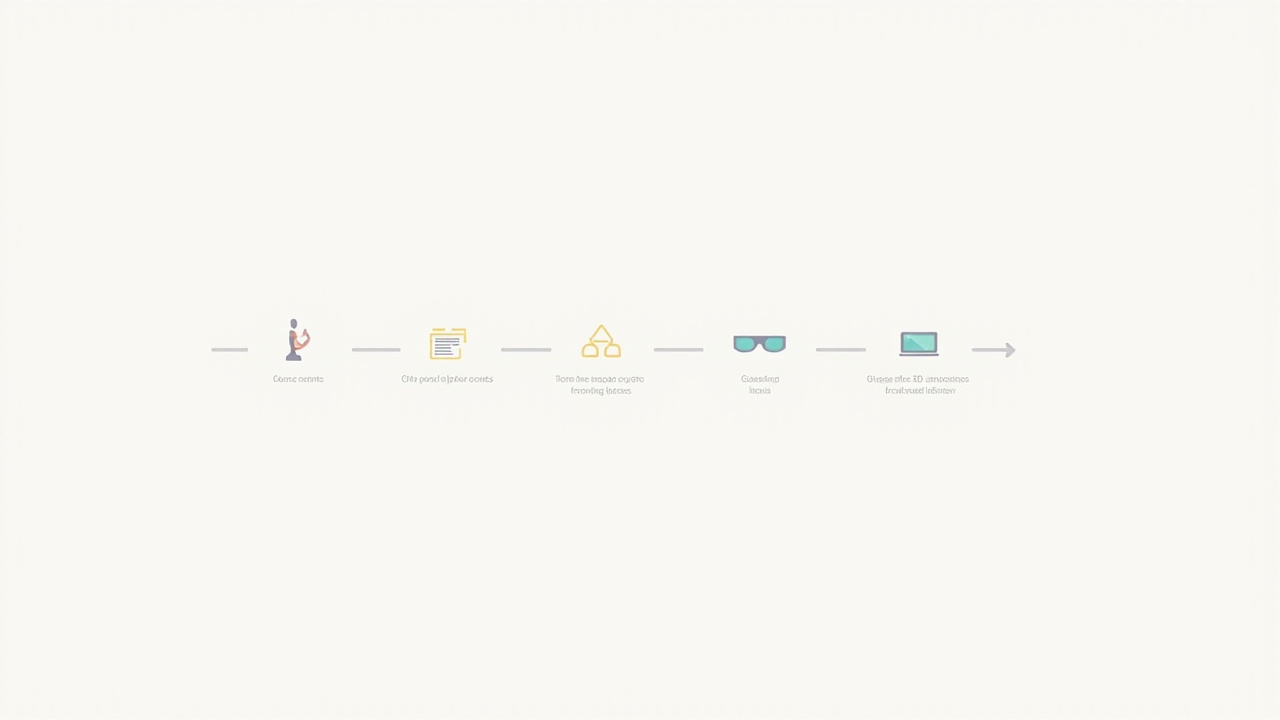
A simple workflow showing source content, stereo preparation, and single-viewer glasses-free review.
Ready to explore 3D displays?
Browse our detailed comparisons and buying guides to find the right spatial display for your workflow.
View Best 3D MonitorsDisclosure: Comparisons on 3DMonitor.net are based on published specifications, hands-on testing where available, and editorial assessment. Affiliate links may be present. Full disclosure.